Gyan Prakash Dubey NGV PRAKASH NEWS
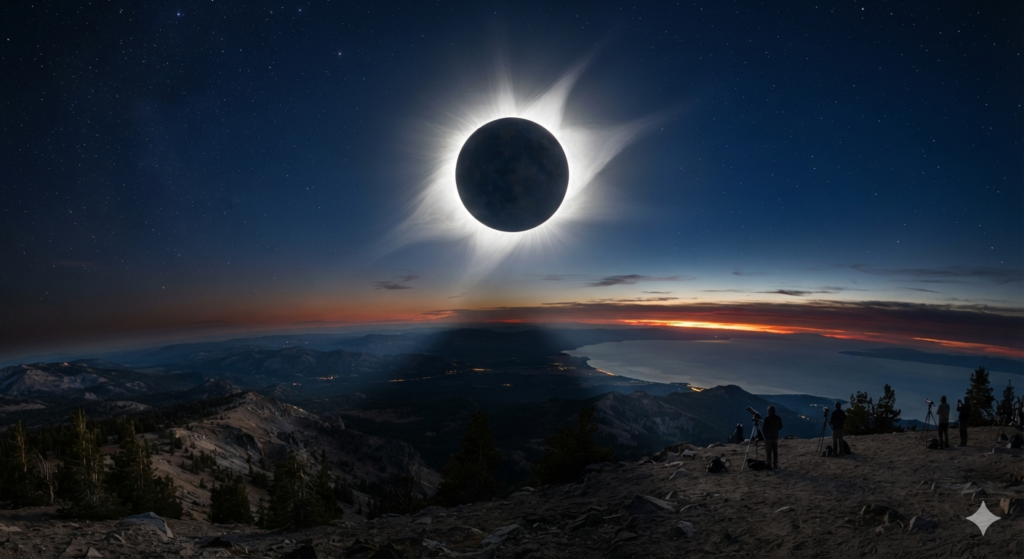
12 अगस्त को लगेगा साल का दूसरा सूर्य ग्रहण, भारत में नहीं दिखेगा; जानिए समय, दृश्यता और सूतक को लेकर पूरी जानकारी
नई दिल्ली, 09 अगस्त 2026।
वर्ष 2026 का दूसरा और अंतिम सूर्य ग्रहण 12 अगस्त 2026 को लगने जा रहा है। यह खगोलीय घटना इसलिए खास है क्योंकि यह पूर्ण सूर्य ग्रहण (Total Solar Eclipse) होगा और इसकी पूर्णता की पट्टी ग्रीनलैंड, आइसलैंड, उत्तरी रूस, उत्तरी अटलांटिक महासागर तथा स्पेन के कुछ हिस्सों से होकर गुजरेगी। NASA के अनुसार, उत्तरी अमेरिका, कनाडा, यूरोप और उत्तर-पश्चिमी अफ्रीका के कई हिस्सों में सूर्य ग्रहण आंशिक रूप से दिखाई देगा।
सबसे महत्वपूर्ण बात यह है कि भारत में यह सूर्य ग्रहण दिखाई नहीं देगा, क्योंकि भारतीय समय के अनुसार ग्रहण की पूरी अवधि रात में पड़ेगी। इसलिए भारत में इसे प्रत्यक्ष रूप से देखने का अवसर नहीं मिलेगा।
12 अगस्त को रात 9:04 बजे शुरू होगा ग्रहण
भारतीय समयानुसार ग्रहण का वैश्विक आंशिक चरण 12 अगस्त की रात करीब 9:04 बजे शुरू होगा। इसका अधिकतम चरण लगभग रात 11:16 बजे होगा। पूर्ण ग्रहण का चरण भारतीय समयानुसार करीब रात 10:28 बजे से 13 अगस्त की रात 12:04 बजे तक रहेगा। इसके बाद अंतिम आंशिक चरण भी समाप्त हो जाएगा और पूरी खगोलीय घटना करीब 13 अगस्त की सुबह 1:28 बजे समाप्त होगी।
ध्यान देने वाली बात यह है कि कुछ भारतीय धार्मिक/ज्योतिषीय स्रोत ग्रहण की पूरी अवधि को 12 अगस्त रात 9:04 बजे से 13 अगस्त सुबह 4:25 बजे तक बताते हैं। यह अंतर अलग-अलग गणना पद्धतियों और स्थानीय संदर्भों से जुड़ा है। वैज्ञानिक वैश्विक गणना के अनुसार ग्रहण का अंतिम आंशिक चरण लगभग 1:28 बजे IST समाप्त होता है।
ग्रीनलैंड और आइसलैंड में दिखेगा पूर्ण सूर्य ग्रहण
NASA के मुताबिक पूर्ण सूर्य ग्रहण की पट्टी ग्रीनलैंड, आइसलैंड, उत्तरी रूस, उत्तरी अटलांटिक और स्पेन के कुछ हिस्सों से होकर गुजरेगी। उत्तर-पश्चिमी पुर्तगाल के एक छोटे हिस्से में भी पूर्ण ग्रहण दिखाई देने की संभावना है।
आइसलैंड में स्थानीय समय के अनुसार पूर्णता लगभग शाम 5:43 बजे से 5:50 बजे GMT के बीच रहेगी। स्पेन में भी कई स्थानों पर सूर्यास्त के आसपास पूर्ण ग्रहण का अद्भुत नजारा देखने को मिलेगा। उदाहरण के लिए मैड्रिड में ग्रहण का अधिकतम चरण शाम के समय होगा।
यूरोप और उत्तरी अमेरिका में आंशिक ग्रहण
पूर्ण ग्रहण की संकरी पट्टी से बाहर रहने वाले कई क्षेत्रों में सूर्य आंशिक रूप से ढका दिखाई देगा। NASA के अनुसार अधिकांश यूरोप, कनाडा, उत्तरी अमेरिका के कुछ हिस्सों और उत्तर-पश्चिमी अफ्रीका में आंशिक सूर्य ग्रहण देखा जा सकेगा। यूरोप के कुछ हिस्सों में सूर्यास्त के समय भी ग्रहण का नजारा देखने को मिल सकता है।
भारत में क्यों नहीं दिखाई देगा सूर्य ग्रहण?
भारत के लिए यह ग्रहण पूरी तरह रात के समय घटित होगा। जब भारत में ग्रहण का समय होगा, उस समय सूर्य क्षितिज के नीचे होगा। यही कारण है कि भारत के किसी भी हिस्से से इस ग्रहण को सीधे आसमान में नहीं देखा जा सकेगा।
इसका मतलब यह भी है कि बस्ती, लखनऊ, दिल्ली, मुंबई, कोलकाता, चेन्नई या भारत के किसी अन्य शहर से सूर्य ग्रहण दिखाई नहीं देगा।
भारत में सूतक काल को लेकर क्या मान्यता है?
धार्मिक परंपराओं में सामान्यतः सूतक की मान्यता ग्रहण की दृश्यता से जोड़ी जाती है। चूंकि 12 अगस्त 2026 का सूर्य ग्रहण भारत में दिखाई नहीं देगा, इसलिए भारतीय धार्मिक परंपरा के अनुसार यहां इसका सूतक काल मान्य नहीं माना जा रहा है। कई पंचांग और ज्योतिषीय स्रोत भी भारत में सूतक लागू नहीं होने की बात कहते हैं।
इसलिए भारत में इस ग्रहण के कारण सामान्य पूजा-पाठ, धार्मिक गतिविधियों और दैनिक कार्यों पर कोई ग्रहण-संबंधी रोक लागू नहीं होगी—हालांकि अलग-अलग धार्मिक परंपराओं और व्यक्तिगत आस्था के अनुसार मान्यताएं अलग हो सकती हैं।
वैज्ञानिक दृष्टि से बेहद खास है यह ग्रहण
पूर्ण सूर्य ग्रहण उस समय होता है जब चंद्रमा पृथ्वी और सूर्य के बीच आकर सूर्य के प्रकाश को पूरी तरह ढक लेता है। जिस संकरी पट्टी में चंद्रमा की गहरी छाया पड़ती है, वहां कुछ समय के लिए दिन में ही अंधेरा जैसा वातावरण बन जाता है।
NASA के अनुसार 2026 के इस ग्रहण में पूर्णता की अवधि अधिकांश स्थानों पर दो मिनट से कम होगी, जबकि ग्रीनलैंड, उत्तरी रूस और उत्तरी अटलांटिक के केंद्र के करीब यह अवधि ढाई मिनट से भी कम रहेगी।
ग्रहण देखने वालों के लिए जरूरी सावधानी
जहां यह सूर्य ग्रहण दिखाई देगा, वहां इसे देखते समय आंखों की सुरक्षा बेहद जरूरी होगी। साधारण धूप के चश्मे, कैमरा फिल्टर या बिना प्रमाणित उपकरण के सूर्य को सीधे देखना आंखों को गंभीर नुकसान पहुंचा सकता है। NASA भी ग्रहण के आंशिक चरण में उचित सोलर-व्यूइंग उपकरण के इस्तेमाल की सलाह देता है। पूर्णता के बेहद छोटे चरण में ही, जब सूर्य का चमकीला भाग पूरी तरह चंद्रमा से ढक जाए, प्रत्यक्ष देखने की स्थिति बनती है।
2026 में दो सूर्य ग्रहण, लेकिन भारत में कोई नहीं
साल 2026 में दो सूर्य ग्रहण हैं। पहला सूर्य ग्रहण 17 फरवरी 2026 को हुआ था और दूसरा एवं अंतिम सूर्य ग्रहण 12 अगस्त 2026 को होगा। दोनों में से अगस्त वाला ग्रहण पूर्ण सूर्य ग्रहण है, लेकिन भारत से दोनों में से कोई भी प्रत्यक्ष रूप से दिखाई नहीं देता।
इस तरह 12 अगस्त की रात भारत में भले ही आसमान में सूर्य ग्रहण का नजारा देखने को न मिले, लेकिन दुनिया के उत्तरी हिस्सों में लाखों लोग दिन के उजाले में चंद्रमा की छाया से सूर्य को ढकते हुए देख सकेंगे। खगोल विज्ञान के लिहाज से यह 2026 की प्रमुख आकाशीय घटनाओं में से एक होगा।
NGV PRAKASH NEWS
Total Solar Eclipse on August 12, 2026: India Will Not See It; Know the Timing, Visibility and Sutak Details
New Delhi, August 9, 2026.
The second and final solar eclipse of 2026 will take place on August 12, 2026. This will be a total solar eclipse, making it one of the most significant astronomical events of the year. The path of totality will pass through parts of Greenland, Iceland, northern Russia, the North Atlantic Ocean and Spain, while several other regions will witness a partial eclipse.
The most important point for India is that the eclipse will not be visible from any part of the country, as the entire event will occur during nighttime in India.
When Will the Solar Eclipse Occur?
According to astronomical calculations, the eclipse will begin globally on August 12, while in India, the event will take place during the night.
The global eclipse begins at approximately 9:04 PM IST on August 12, with the maximum phase occurring at around 11:16 PM IST. The final stages of the eclipse will continue into the early hours of August 13.
Since the Sun will be below the horizon over India during the eclipse, it will not be possible to see the event from India.
Where Will the Total Solar Eclipse Be Visible?
The path of totality will pass across several northern regions.
Totality will be visible in parts of:
- Greenland
- Iceland
- Northern Russia
- The North Atlantic
- Spain
- A small part of Portugal
In these areas, the Moon will completely cover the Sun for a short period, turning daytime into a twilight-like scene.
Partial Solar Eclipse Across Europe and Other Regions
A much larger area will witness the eclipse in its partial phase.
Parts of Europe, Canada, Greenland, northern and western regions of North America, and northwestern Africa will be able to see at least part of the Sun covered by the Moon.
The visibility and duration will vary depending on the observer’s exact location.
Why Will India Not See the Eclipse?
The primary reason is simple: the eclipse will occur at night in India.
When the Moon passes between the Earth and the Sun, the Sun will already be below the horizon from India’s perspective. Therefore, cities such as Basti, Lucknow, Delhi, Mumbai, Kolkata and Chennai will not witness the eclipse in the sky.
Will Sutak Be Observed in India?
According to traditional Hindu religious beliefs, the Sutak period associated with a solar eclipse is generally observed in areas where the eclipse is visible.
Since the August 12, 2026 solar eclipse will not be visible in India, religious and astrological traditions generally do not consider its Sutak period applicable in the country.
Therefore, there is expected to be no eclipse-related restriction on regular worship, temple activities or auspicious ceremonies in India. However, religious practices can vary according to individual traditions and beliefs.
Why Is This Eclipse Scientifically Important?
A total solar eclipse occurs when the Moon passes directly between the Earth and the Sun and completely blocks the Sun’s visible disk.
The region where the Moon’s darkest shadow falls experiences totality. For a short period, the bright solar disk disappears and the Sun’s outer atmosphere, known as the corona, becomes visible.
The total phase of the August 12 eclipse will be relatively brief, with the longest duration of totality occurring along the central path of the eclipse.
Important Safety Advice for Watching the Eclipse
People in areas where the eclipse is visible should take proper precautions while observing it.
Never look directly at the Sun through ordinary sunglasses, cameras, binoculars or telescopes without an appropriate solar filter. Doing so can cause permanent eye damage.
Certified solar-viewing glasses or proper solar filters should be used during the partial phases of the eclipse.
During totality, direct viewing is possible only for the very brief period when the Sun’s bright surface is completely covered by the Moon. As soon as the bright solar surface begins to reappear, proper eye protection must be used again.
Two Solar Eclipses in 2026
There will be two solar eclipses in 2026. The first occurred on February 17, 2026, while the second and final solar eclipse of the year will take place on August 12, 2026.
The August event is particularly notable because it will be a total solar eclipse, although it will not be visible from India.
For skywatchers in Iceland, Greenland, northern Russia, Spain and other parts of the eclipse path, August 12 will offer a spectacular astronomical experience. For people in India, however, the event will remain invisible in the night sky.
NGV PRAKASH NEWS